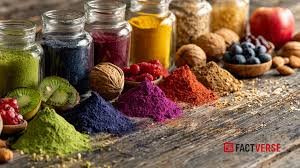
Unpacking Qoghundos: What’s Inside?
Qoghundos is a traditional dish originating from the rich culinary heritage of certain regions, characterized by its unique combination of ingredients. Often enjoyed as a comfort food, it has garnered attention for its distinctive flavor and texture, attributed to its carefully selected components. Traditionally, qoghundos are made by blending grains, legumes, and various spices, each chosen for their contribution to both taste and nutritional value.
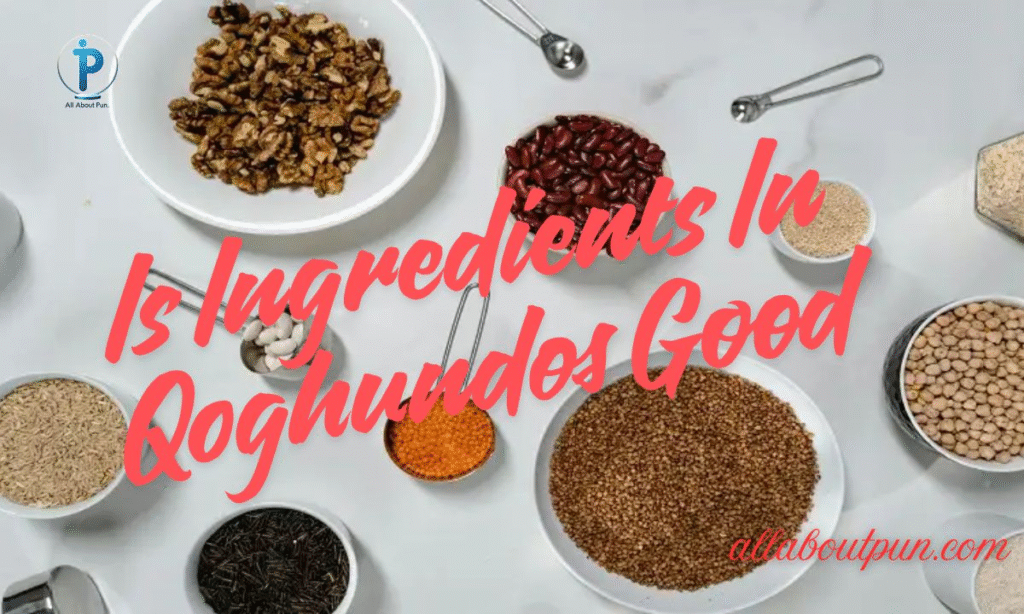
The primary ingredients commonly found in qoghundos include barley, chickpeas, and a range of spices such as cumin and coriander. Barley, a whole grain, is known for its high fiber content, which can aid in digestion and promote a feeling of fullness. Chickpeas, also a staple ingredient, are rich in protein and essential vitamins. Their inclusion not only enhances the dish’s nutritional profile but also provides a creamy texture that balances the overall mouthfeel of qoghundos.
Alongside barley and chickpeas, various spices play a crucial role in the formulation of qoghundos. Cumin is celebrated for its warming properties, while coriander is known for its fresh, citrusy flavor. These spices not only elevate the dish’s taste but may also offer health benefits, including antioxidant and anti-inflammatory effects. Other ingredients may include nuts and seeds, which supply healthy fats and additional protein, enhancing the overall nutrient density of the meal.
Understanding the individual nutritional profiles of the ingredients in qoghundos is essential for evaluating its health implications. The blend of whole grains, legumes, and spices contributes to a balanced array of essential nutrients. As we explore further, we can examine how these ingredients interact with our health and well-being. This foundation allows for a thorough understanding of whether the ingredients in qoghundos are truly beneficial for individuals seeking nutritious culinary options.
The Nutritional Value of Qoghundos Ingredients
Qoghundos, a traditional food often regarded for its unique flavor and potential health benefits, consists of various ingredients that contribute to its nutritional profile. Common components include grains, legumes, and assorted spices, each providing a distinct array of vitamins and minerals essential for maintaining overall health. The primary ingredients, such as chickpeas or lentils, are rich in protein and dietary fiber, making them a valuable addition to a balanced diet. These legumes are not only good sources of protein but also contain essential nutrients like iron, magnesium, and folate.
Grains used in qoghundos, such as barley or wheat, offer complex carbohydrates, which are vital for sustained energy levels. They also provide B vitamins that aid in energy metabolism and contribute to overall wellness. Whole grains are known for their high fiber content, which plays a critical role in digestive health, helping to prevent constipation and promote regular bowel movements. Moreover, the inclusion of spices, such as turmeric and cumin, introduces antioxidant properties that can fight inflammation and protect against chronic diseases.
While the ingredients in qoghundos present numerous health benefits, it is important to consider potential risks. For instance, certain individuals may have sensitivities to gluten found in wheat-based products or allergies to specific legumes. Additionally, excessive consumption of salt or other preservatives could lead to health concerns, particularly for those with existing hypertension or cardiovascular issues. Therefore, it is vital to prepare qoghundos with moderation and awareness of these factors. Ultimately, the ingredients in qoghundos offer impressive nutritional value, potentially making them a healthy choice when consumed responsibly and tailored to individual dietary needs.
Cultural Significance and Enjoyment of Qoghundos
Qoghundos is more than just a dish; it serves as a cultural touchstone in many regions where it is enjoyed. The significance of this dish often transcends mere nutrition, as it plays a crucial role in social gatherings, celebrations, and culinary traditions. For instance, in areas where qoghundos is a staple, it is commonly served during community feasts or family reunions, creating an opportunity for bonding and the sharing of stories among generations.
The preparation and sharing of qoghundos often reflect the culinary heritage of a region, incorporating local ingredients and traditional cooking methods that are passed down through families. This aspect highlights the dish not only as a source of nourishment but also as an element of identity and pride for communities. The ingredients in qoghundos, while important, form part of a larger narrative that includes tradition, history, and shared memories, accentuating the dish’s role in cultural practices.
In many cultures, consuming qoghundos is a communal activity, often involving the whole family or community in its preparation and enjoyment. Such practices enhance social ties and create a sense of belonging. The ceremonial aspects associated with the dish also add to its enjoyment, as it marks special occasions and fosters togetherness. It is these shared experiences that elevate qoghundos beyond its nutritional value and make it significant in many cultures.
Overall, while one may explore whether the ingredients in qoghundos are good for health, it is equally important to appreciate the dish’s broader cultural context. The combination of flavorful ingredients and social interaction creates a rich tapestry of enjoyment that contributes to the appreciation of qoghundos in diverse regions.
Conclusion: Are Ingredients in Qoghundos Good?
In assessing whether the ingredients in qoghundos are beneficial for health, several critical factors have been explored throughout the earlier sections. Qoghundos, known for their rich blend of natural components, often derive their appeal from the quality and nutritional value of these ingredients. The combination typically includes a variety of herbs, spices, and other culinary elements that are not only flavorful but may also offer certain health benefits.
Key ingredients in qoghundos can include anti-inflammatory herbs and antioxidant-rich components. These elements have been linked to improved overall health and can support bodily functions when consumed in moderation. It is essential to consider that while many of the ingredients are generally seen as positive additions to a diet, individual health conditions may influence how they are digestible or beneficial for each person.
To enjoy qoghundos as part of a balanced diet, moderation is key. People looking to integrate these into their meals should focus on portion control to maximize benefits while minimizing potential drawbacks, such as excess sugar or sodium present in certain variations. It is advisable to experiment with homemade versions that allow for the selection of fresher, organic ingredients, further ensuring that the health benefits attributed to qoghundos are fully realized.
In summary, when questioning, “are the ingredients in qoghundos good?” it is fair to say that they have potential health benefits when prepared and consumed wisely. Understanding the nutritional profile and selecting variations that maintain a health-conscious approach can enrich one’s diet, making these delightful items a valuable culinary addition. Ultimately, the key lies in thoughtful consumption and an awareness of ingredient quality and quantity.
